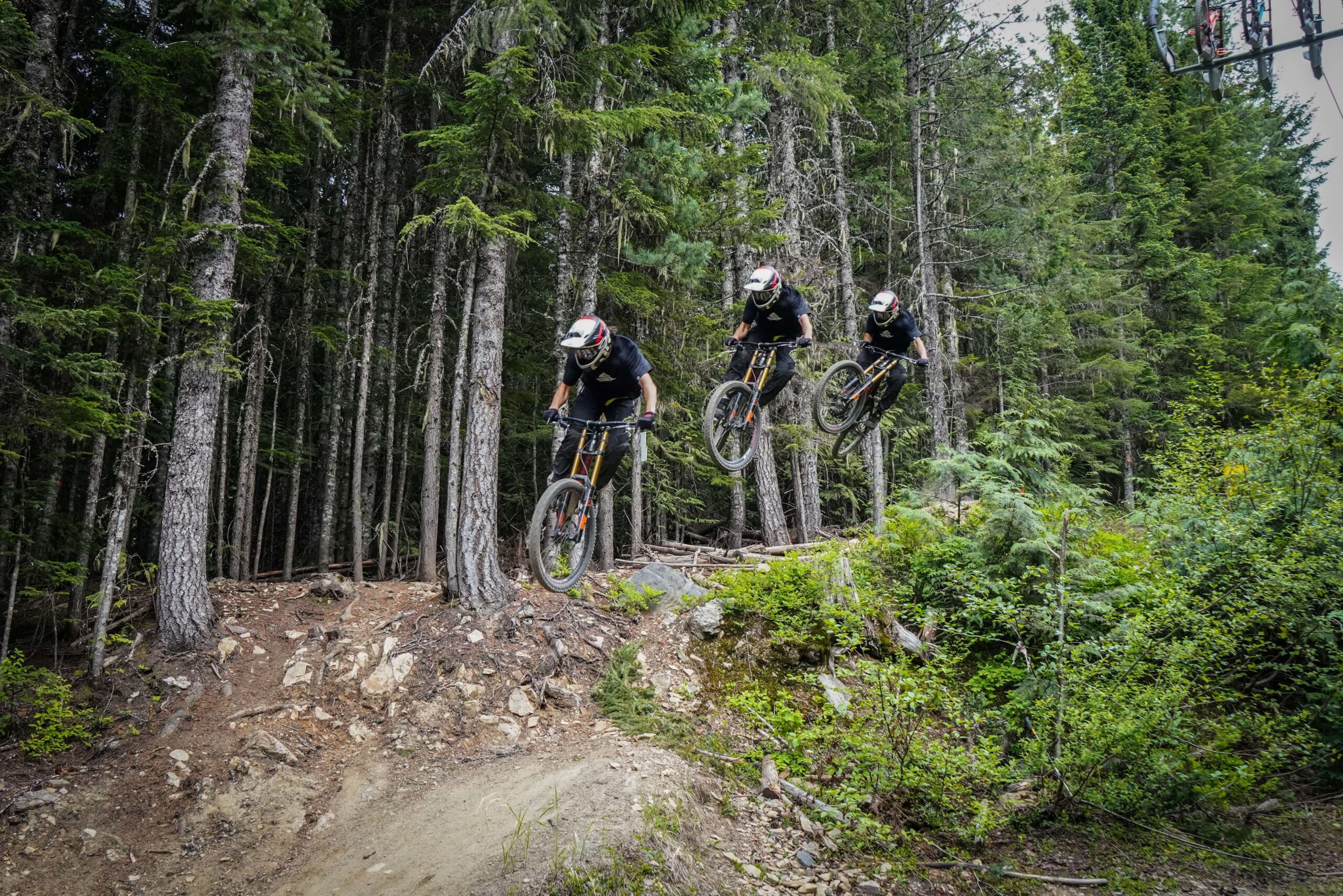
If you spend your weekends dropping into lines on Mount Fromme, navigating the granite slabs of Mt. Seymour, you know how common it is to experience lower back pain from riding a mountain bike on the North Shore trails.
If you find yourself unbuckling your knee pads at the bottom of a hard lap only to realize your lower back feels locked up, stiff, or deeply achy, you are dealing with a classic structural compensation pattern: The MTB Hunch. While many riders assume that post-ride lower back stiffness is just the price you pay for riding technical terrain, the reality is entirely different. Under The Alignment Protocol, we view this chronic stiffness not as a simple muscle fatigue issue, but as a protective mechanical response occurring within your nervous system and spinal architecture.
Here is a breakdown of why your lower back locks up on North Shore trails, and how regular, proactive spinal hygiene can help keep your body operating at its absolute peak.
Why You Get Lower Back Pain From Riding Mountain Bike Trails on the North Shore
- The Climb Trail Compression: Climbing steep grades like the Fromme Ascent or the physical singletracks of Cypress forces you into a sustained, forward-flexed posture. This position places your lower lumbar spine under constant mechanical tension, straining the surrounding ligaments and deep core tissues before you even point your tires downhill.
- The Descent Bracing Pattern: When descending technical rock slabs or root-strewn lines, your body naturally braces for impact. If your pelvis or lower lumbar spine is slightly out of alignment, your body cannot distribute these heavy forces evenly. Instead, the joints of your lower back take the brunt of the abuse, causing the surrounding muscle networks to seize up in a protective spasm.
The Anatomy of the “MTB Hunch” (Nervous System Compression)
3 Core Drills Under The Alignment Protocol for Optimal Trail Performance
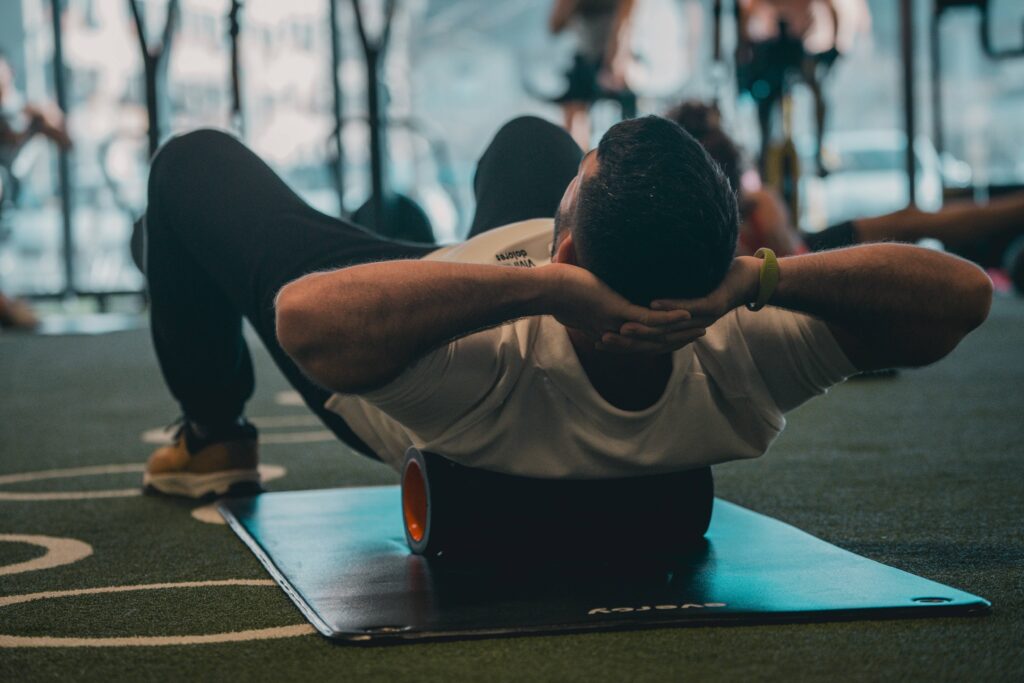
To keep your spine moving fluidly through high-impact terrain, your pre- and post-ride routines should focus on restoring proper joint mechanics and waking up your nervous system. Try integrating these three movements into your routine:
1. The Cat-Cow with Segmental Focus
Instead of rushing through standard stretching, focus intently on moving your spine one single vertebra at a time. Start from your tailbone, slowly arching your lower back, rippling up through your mid-back, and ending at your neck. This intentional movement patterns healthy structural tracking before you assume a fixed riding position.
2. The Active Deep Squat Hold
Hold onto a sturdy object (like your bike’s handlebars or a post at the trailhead) and drop down into a deep squat. Keep your heels flat on the ground and focus on letting your pelvis drop completely open. This movement decompresses the lower lumbar joints and stretches the deep hip stabilizers that get locked up during long climbs.
3. Thoracic Extensions Over a Roller
Your lower back often locks up because your mid-back (thoracic spine) is stiff from everyday life or desk work. Lie on your back with a foam roller positioned horizontally across your mid-back. Keep your hips pinned to the floor and gently extend your upper torso back over the roller. Mobilizing your upper back relieves the mechanical burden on your lower spine.
 Coming Soon: We are currently filming a complete, follow-along video breakdown of these exact movement protocols using our specialized tracking camera system. Check back next week to watch the step-by-step alignment drills live.
Building Routine Posture Habits for North Vancouver Riders
Master Your Movement
Want clear, follow-along video guides to bulletproof your spine? Subscribe to our YouTube channel, The Alignment Protocol, where we break down the exact biomechanics and mobility routines you need to stay resilient.
-

The Mountain Biker Spine Guide: How to Protect Your Lumbar on North Shore Trails
If you spend your weekends dropping into lines on Mount Fromme, navigating the granite slabs…
-
Why Your Lower Back Pain Keeps Coming Back (and What You Can Do About It)
Chronic or recurring lower back pain affects millions of people every year. The most frustrating…


Leave a Reply